Top 4 Ecommerce Trends for 2026: AI Agents, Unified Commerce, TikTok Shop and Livestreaming
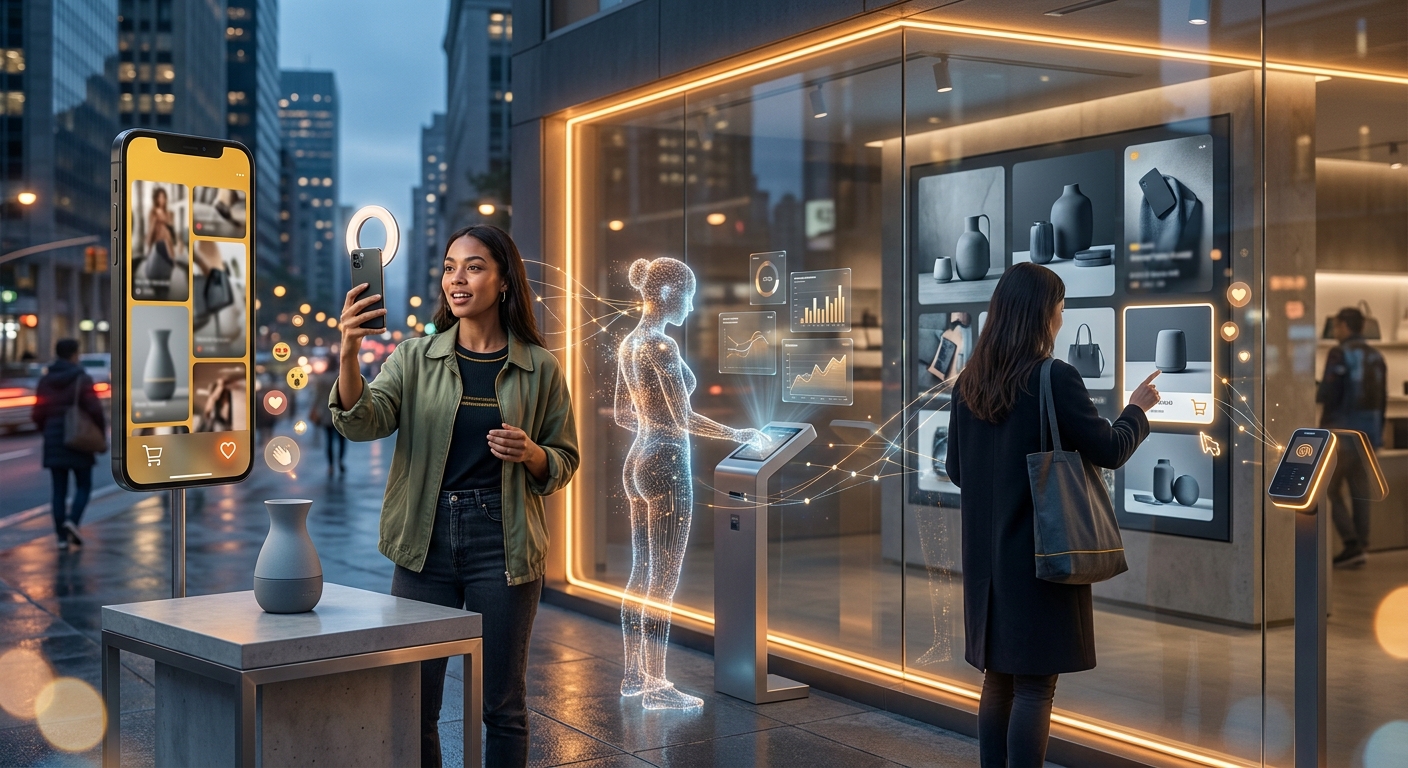
Search Engine Land’s recent guide highlights four forces reshaping ecommerce this year: AI agents, unified commerce, TikTok Shop’s continuing rise, and livestream shopping. These trends point to a future where brands must be visible to both people and machines — and act on integrated data to deliver seamless experiences. As Search Engine Land puts it, “This means that ecommerce brands are no longer just marketing to humans; they’re marketing to AI algorithms too.” — Alison Zeller, Search Engine Land.
Why these trends matter now
Consumer behavior and the channels that influence purchase decisions are shifting quickly. Adobe’s analysis underscores the scale of the change: “New data from Adobe shows that generative AI traffic has grown substantially in recent months, rising 4,700% YoY in July 2025.” (Vivek Pandya, Adobe Digital Insights). For site owners and marketers, that means traffic sources, discoverability, and conversion paths are evolving — often toward AI-driven discovery and social commerce pathways.
1. AI agents: optimizing for machines and people
AI agents—advanced assistants and answer engines—are becoming primary discovery tools. They synthesize information, recommend products, and increasingly handle transactions. For SEO and ecommerce teams, the implications are practical: structured data and clear, machine-readable product information matter more than ever. Implement schema for products, reviews, availability, and FAQ content. Invest in answer engine optimization (AEO) so your product pages and category content are formatted to be easily consumed by AI agents.
Actionable steps
- Audit and expand schema markup (Product, Offer, Review, FAQ) across key pages.
- Create concise, authoritative answers for high-intent queries (AEO).
- Ensure product descriptions include buyer intent signals and variant detail for AI parsing.
2. Unified commerce: break down the silos
Unified commerce integrates front-end experiences with backend systems (inventory, POS, CRM) to present one consistent experience. Brands that unify data can deliver real-time availability, personalized offers, and smoother fulfillment. From an SEO perspective, unified data enables consistent messaging and enables better measurement of user journeys that begin in AI or social channels and end on site or in-store.
Actionable steps
- Map all customer touchpoints and identify data silos (inventory, customer profiles, orders).
- Prioritize integrations that enable real-time inventory and personalization.
- Use UTM + offline attribution strategies to connect digital activity with in-store outcomes.
3. TikTok Shop and social commerce: content that converts
TikTok Shop has rapidly become a major ecommerce platform, especially among younger, highly engaged audiences. Its unique blend of entertainment and direct purchasing requires brands to understand TikTok’s content formats and user behavior. Leveraging TikTok analytics helps tailor marketing strategies to maximize engagement and conversion. This trend underscores the shift toward social commerce, where authentic storytelling and shopping coexist, creating new opportunities for brands to connect with consumers.
Actionable steps
- Develop a short-form content plan tied to product launches and promotions.
- Test creator collaborations with clear conversion KPIs and tracking tags.
- Use platform analytics to iterate on formats that produce highest ROAS and engagement.
4. Livestream shopping: scale interactive commerce
Livestream commerce brings product demos, influencer engagement, and immediate purchasing into a single format. It’s especially effective for categories where demonstration and discovery matter (beauty, electronics, home goods). Integrate livestream events into product pages, email flows, and social channels to amplify reach and improve post-event conversion.
Actionable steps
- Plan scripted demos and live Q&A to reduce friction and answer buyer objections in real time.
- Capture live viewers’ data and retarget attendees with follow-up offers and on-site experiences.
- Measure view-to-conversion and lifetime value for customers acquired via livestream to validate investment.
Putting it together: a practical checklist
Start with a small set of priorities that demonstrate impact: implement or improve schema; run AEO-focused content tests on high-intent queries; connect inventory and CRM for real-time personalization; pilot TikTok creative and a livestream event with a measurement plan. Monitor AI-sourced traffic and behavior to iterate quickly.
Conclusion
2026’s ecommerce landscape rewards brands that build for both people and the AI-driven systems that facilitate discovery. Prioritizing structured data, integrated commerce platforms, social-first content, and interactive livestream experiences will help brands capture attention and convert it to revenue. For further reading, see the original Search Engine Land guide linked below.
Original article: https://searchengineland.com/guide/top-ecommerce-trends-2026












.png)