Google has begun appending AI-generated conversion cards to the ends of video ads, a change that could affect how advertisers measure and capture conversions across YouTube and other Google video surfaces. Search Engine Land’s Anu Adegbola reports that “Google is automatically appending AI-generated conversion cards to the end of video ads — but will override any pre-set end screens.” This update reflects Google’s ongoing push to integrate AI across ad experiences and gives advertisers new opportunities — and responsibilities — when it comes to creative control and measurement.
What changed and why it matters
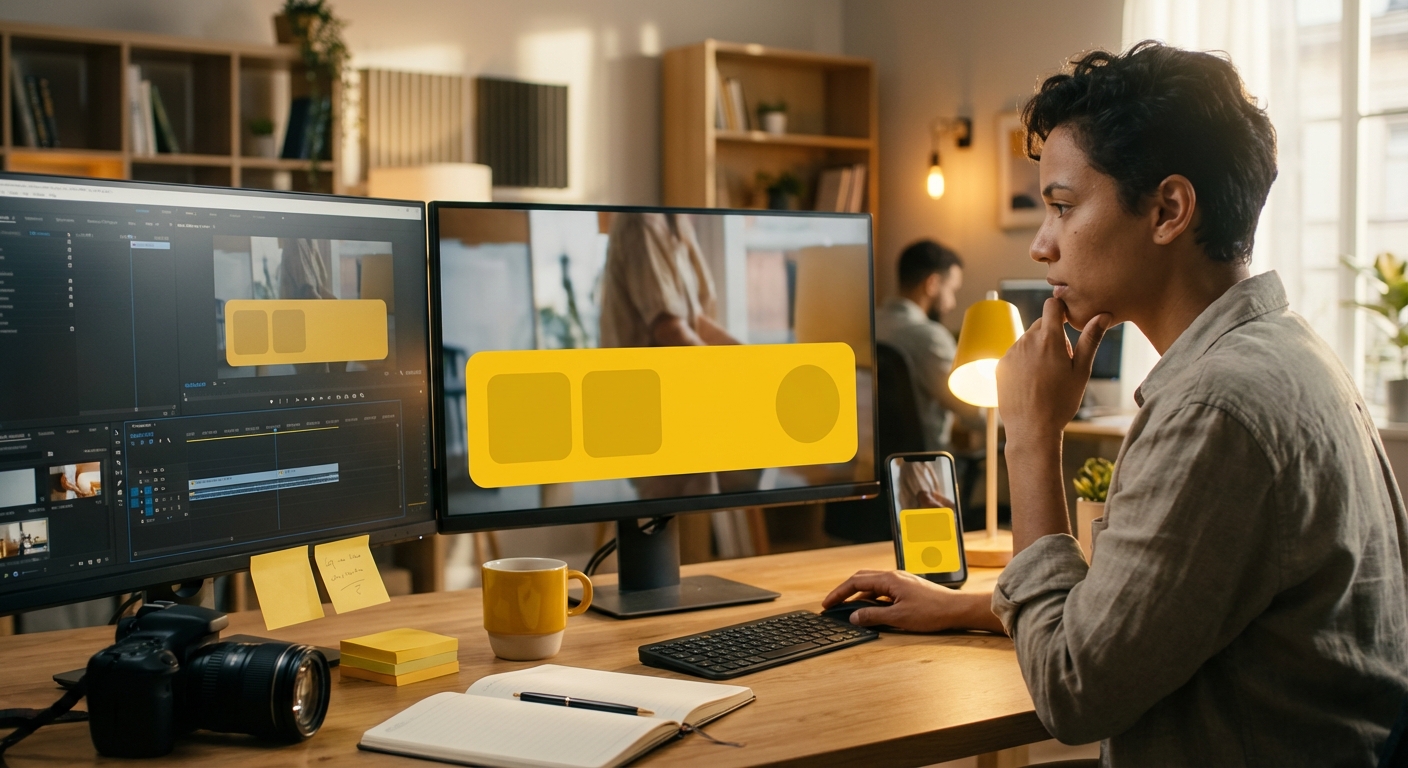
Previously, advertisers could set an end screen — a final card or call-to-action timed to appear at the conclusion of a video creative. Those end screens were a predictable, brand-controlled moment to promote products, capture clicks, or direct viewers to landing pages. With Google’s new AI-generated end screens, the platform can now automatically append conversion-focused cards to the end of video ads, potentially replacing or superseding advertiser-provided end screens.
The practical effect is immediate: ads may display Google’s AI-optimized conversion cards that prioritize measurable actions, such as store visits, product views, or direct purchases. For advertisers relying on carefully designed end-of-video experiences, this introduces variability in creative presentation and could change the pathways users take from view to conversion.
How Google frames the broader context
Google’s advertising roadmap for 2026 emphasizes AI-driven experiences that make commerce and discovery more seamless. As Google VP Vidhya Srinivasan put it on Google’s official blog, “In 2026, we’re reimagining commercial experiences to be fluid, assistive and personal.” That philosophy explains why the platform would test auto-generated end screens — they fit into a strategy that favors real-time personalization and reduced friction for buyers.
Key implications for advertisers
- Creative control vs. optimization: Brands that depend on specific end-screen designs may see those designs altered. Expect trade-offs between strict creative control and potential lift from AI-optimized conversion prompts.
- Measurement alignment: If Google inserts its own conversion cards, advertisers should verify that tracking is aligned and that conversion events map correctly to campaign goals and analytics systems.
- Testing becomes critical: With variable end screens, the only way to know what performs best is to test systematically. A/B testing creative with and without Google’s auto end screens will reveal whether the AI cards drive better outcomes.
- Policy and transparency: Ensure your account settings and assets reflect your preferences — Google may provide opt-out options or settings for advertisers who prefer to keep their own end screens.
Actionable steps to respond
Advertisers should take pragmatic steps now to reduce risk and seize opportunities:
- Review your video ad assets and document where you use end screens. Map those end screens to conversion goals in Google Ads and your analytics platform.
- Check account-level settings and opt-out windows. Google has rolled out similar AI-driven features with opt-out deadlines in the past; ensure you understand any windows to opt out and the consequences of doing so.
- Set up experiments that compare your handcrafted end screens to Google’s AI-generated cards. Run these tests long enough to capture stable signals across audience segments and placements.
- Audit your measurement stack. Confirm that conversion tracking, post-click paths, and offline attribution align with any new event types introduced by Google’s conversion cards.
- Adjust creative briefs to include flexible end-screen concepts. If Google may replace end screens, design assets that are resilient to substitution and maintain brand clarity even when paired with Google’s cards.
Potential benefits and risks
Auto-generated end screens could improve conversion rates for advertisers who lack the in-house creative capability to design effective end screens. By leaning on Google’s optimization, some advertisers may see better immediate results. However, the risks include loss of brand control, fragmented user journeys, and measurement mismatch if Google’s cards trigger different conversion events than advertisers expect.
For publishers and creators whose video content hosts ads, the change is less direct but still important: end screens provide context and continuity in the user experience. When those moments are reimagined by AI, creators and advertisers should collaborate on guidelines to preserve viewer trust and avoid disruptive or misleading prompts.
Final thoughts
Google’s move to automatically append AI-generated conversion cards to video ads reflects a larger trend: platforms are using generative and decisioning AI to shape ad experiences in real time. For advertisers, this means an increased need to monitor platform changes, validate measurement, and test creative variants aggressively. As Anu Adegbola noted in Search Engine Land, “Google is automatically appending AI-generated conversion cards to the end of video ads — but will override any pre-set end screens.” That succinctly frames the change and the core tension between platform optimization and brand-controlled creative.
Advertisers who take a measurement-first approach — controlling their conversion taxonomy, validating tracking, and running controlled experiments — will be best positioned to benefit from AI-driven end screens while limiting downside.
Original Search Engine Land coverage: Google adds automatic end screens to video ads — Anu Adegbola, Search Engine Land (Mar 10, 2026)













.png)